
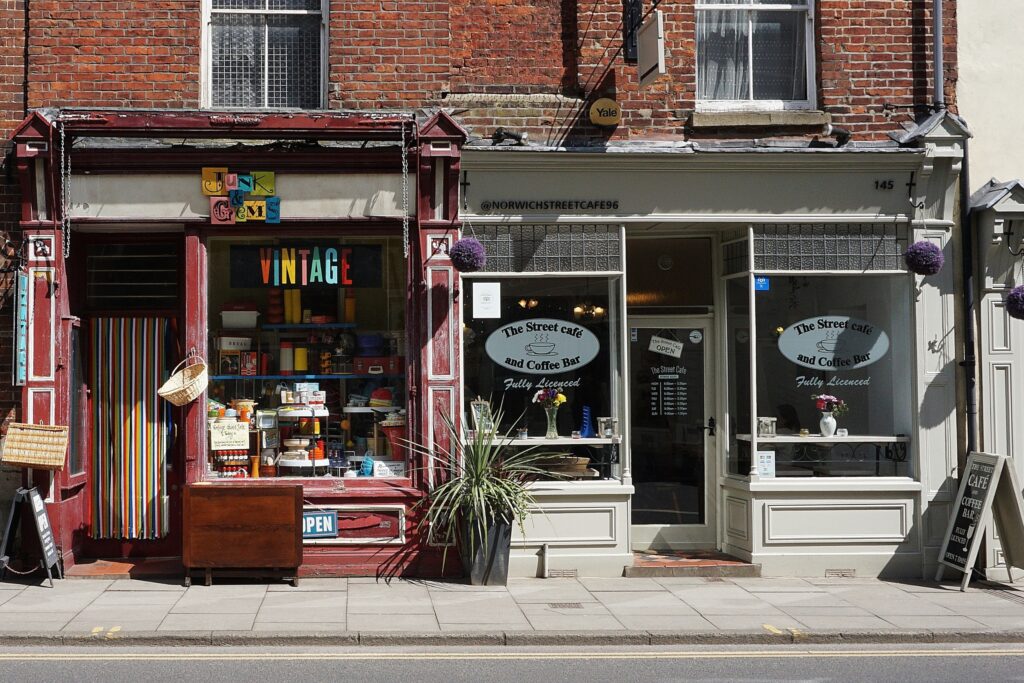
Why Business Tandems Are Gaining Momentum
Rising rental costs, shifting consumer behaviour, and tighter margins are pushing entrepreneurs to rethink how physical commercial spaces are used. One increasingly popular approach is the concept of business tandems, where two complementary businesses operate side by side within the same location. Rather than competing for attention, these businesses support one another by sharing foot traffic, operating costs, and customer bases.
This model has become especially attractive in urban areas and mixed-use developments, where space efficiency and customer convenience are highly valued. Customers benefit from completing multiple errands in one visit, while business owners reduce overhead and increase exposure without doubling marketing spend. From a strategic standpoint, business tandems are not simply about saving money but about creating an ecosystem that encourages repeat visits and longer dwell time.
As commercial environments continue to evolve, shared retail and service spaces are emerging as a practical solution for entrepreneurs seeking resilience, flexibility, and sustainable growth in an increasingly competitive marketplace.
Laundry Shops and Coffee Kiosks: Turning Wait Time into Revenue
One of the most widely recognised business tandem models pairs a self-service laundry with a small coffee kiosk or café. Laundry customers often spend between thirty minutes and two hours waiting for machines to complete cycles, creating a natural opportunity for additional spending. A coffee kiosk transforms idle time into a relaxed experience, encouraging customers to stay longer and return more frequently.
From an operational perspective, this pairing works because both businesses serve customers seeking convenience. The laundry benefits from a more welcoming atmosphere, while the coffee kiosk gains a steady flow of customers who are already on-site. Shared utilities, seating areas, and even branding elements can further reduce costs while enhancing the customer experience.
This tandem is especially effective in residential neighbourhoods, near student housing, or in areas with limited café options. By aligning services that naturally fit into the same time window, owners maximise revenue potential without increasing space requirements.
Salons and Skincare Retail: Extending Services Beyond Appointments
Hair and beauty salons increasingly partner with skincare or cosmetic retail spaces to create a seamless customer journey. Clients visiting for haircuts, treatments, or styling are already primed for personal care purchases, making adjacent retail a logical extension rather than an interruption.
This tandem benefits both sides by reinforcing trust. Customers are more likely to purchase products recommended by professionals they already rely on. Meanwhile, salons benefit from additional revenue streams that are not dependent on appointment availability. Retail partners gain credibility and exposure without the cost of operating a standalone storefront.
For many operators, this style of co-location is part of modern business collaboration strategies—a way to build stability while creating a stronger customer experience. By sharing floor space and aligning branding, both businesses create a cohesive environment rather than competing for attention. In high-foot-traffic areas such as shopping centres or urban streets, this pairing supports premium positioning while maintaining operational efficiency.
Gyms and Smoothie Bars: Aligning Lifestyle and Consumption
Fitness centres paired with smoothie bars or healthy food counters are becoming common in modern commercial developments. This tandem is driven by lifestyle alignment rather than convenience alone. Gym members often seek nutrition options that complement workouts, and having them available on-site removes friction from post-exercise routines.
From a business standpoint, this pairing strengthens brand identity for both partners. The gym positions itself as a holistic wellness destination, while the smoothie bar gains a targeted audience that values health-focused consumption. Shared marketing efforts, loyalty programmes, and bundled promotions further enhance profitability.
For readers looking for practical reading across work and culture, this is a useful example of how lifestyle shifts influence commercial design. Customers are not just purchasing a workout or a drink; they are engaging in an ecosystem that encourages repeat visits, community building, and consistent spending patterns.
Co-Working Spaces and Print Shops: Supporting Daily Professional Needs
Co-working spaces have reshaped how professionals approach office environments, and pairing them with print shops or document services addresses a persistent gap in digital-first workplaces. While much work is done online, printing, scanning, and document binding remain essential for contracts, presentations, and legal paperwork.
This tandem supports freelancers, remote workers, and small teams who value convenience and efficiency. The co-working space enhances its value proposition by offering practical services on-site, while the print shop benefits from a consistent flow of professional customers without relying solely on walk-in traffic.
These setups reflect modern business collaboration strategies in action: partnerships built around real, repeatable needs rather than novelty. By identifying overlapping customer demands, both businesses reduce friction and strengthen retention. The arrangement also enables shared reception areas, staffing coordination, and integrated service packages that increase perceived value.
Pet Grooming and Pet Supply Stores: Creating Complete Care Destinations
Pet-related services have seen steady growth as ownership rises and spending on animal care increases. Pairing a grooming service with a pet supply shop creates a complete care destination for pet owners. Customers dropping pets off for grooming often browse supplies, while those shopping may schedule services once they see availability.
This tandem works because it reduces customer effort. Rather than visiting multiple locations, pet owners address grooming, feeding, and accessory needs in one place. For businesses, shared branding and cross-promotion drive repeat visits and higher average transaction values.
The model also reflects a broader consumer preference for consolidated experiences. It is a practical example of how local businesses can develop stronger loyalty by making errands simpler and more enjoyable.
Conclusion
Business tandems represent a practical response to the evolving realities of commercial spaces. As costs rise and customer expectations shift toward convenience and efficiency, entrepreneurs are recognising the value of collaboration over isolation. Well-planned partner stores do more than share rent; they reinforce one another’s value propositions, extend customer engagement, and increase revenue opportunities without proportional increases in overhead.
Whether through lifestyle alignment, complementary services, or shared customer journeys, successful tandems are built on understanding behaviour rather than simply filling space. For readers seeking practical reading across work and culture, these examples show how small design decisions in physical retail can mirror bigger changes in habits and expectations. For entrepreneurs evaluating expansion or launch strategies, these partnerships offer an alternative to traditional standalone operations. In an environment where adaptability determines longevity, business tandems provide a smart, scalable approach to sustainable growth.