
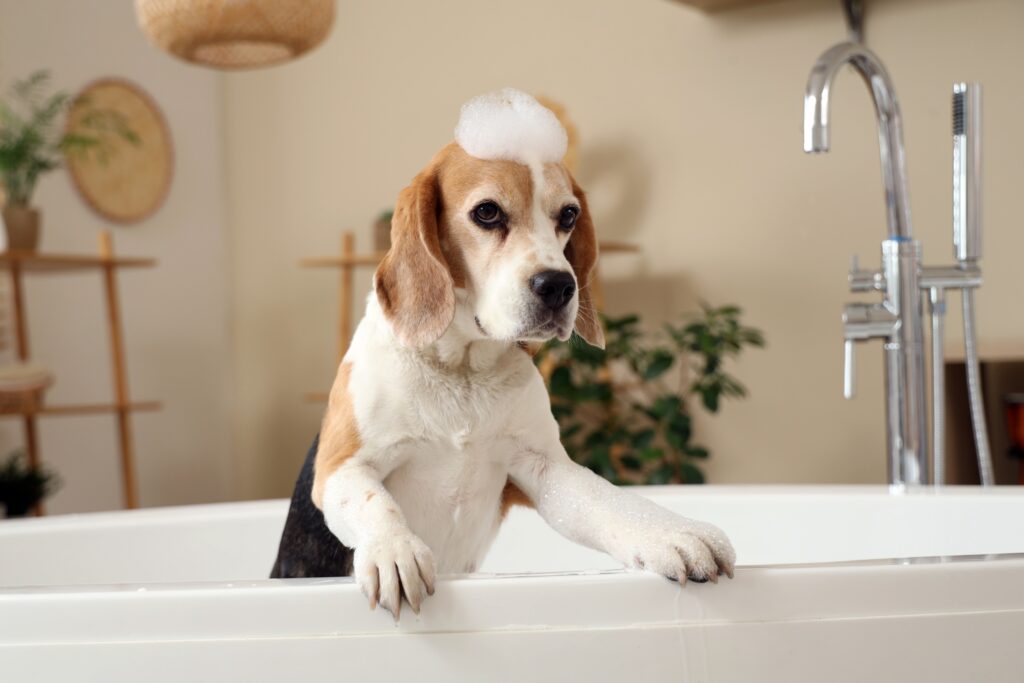
Why More Pet Owners Are Grooming Dogs at Home
Rising professional grooming costs, flexible work routines, and increased time spent at home have encouraged many dog owners to explore DIY grooming. Home grooming is no longer viewed solely as a cost-saving option but as a way to strengthen bonds and maintain regular care between professional visits. When approached thoughtfully, grooming at home can support a dog’s comfort, hygiene, and overall wellbeing.
For many owners, grooming sessions also provide an opportunity to monitor skin condition, coat changes, and physical health indicators that may otherwise go unnoticed. However, home grooming requires preparation, patience, and a clear understanding of safety considerations. Improvised techniques or unsuitable tools can cause discomfort or injury if used incorrectly.
As interest grows, responsible home grooming focuses on gentle handling, proper equipment, and realistic expectations. It is not about perfection but about maintaining comfort, cleanliness, and trust through routine care.
Understanding a Dog’s Coat and Grooming Needs
Before attempting grooming at home, it is essential to understand that dogs have different coat types, each with specific care requirements. Short coats, long coats, curly fur, and double coats respond differently to brushing, trimming, and bathing. What works well for one breed may not be suitable for another.
Double-coated dogs, for example, require careful brushing to manage shedding without damaging the undercoat. Curly-coated breeds often need regular detangling to prevent matting. Overbathing or incorrect brushing techniques can lead to skin irritation or coat damage regardless of breed.
Responsible grooming aligns with responsible pet care routines, which prioritise comfort and suitability over convenience. Understanding coat type helps owners choose appropriate tools and avoid unnecessary trimming that could compromise coat health or temperature regulation.
Essential Grooming Tools for Home Use
Using proper tools significantly improves safety and effectiveness during home grooming. Basic essentials include a suitable brush for the dog’s coat type, a comb for detangling, nail clippers or grinders, dog-safe shampoo, and towels. Clippers should only be used if owners are confident and understand blade settings.
Quality tools reduce pulling, snagging, and stress during grooming sessions. Dull blades or inappropriate brushes increase discomfort and can make dogs resistant to future grooming. Investing in well-designed, dog-specific equipment supports smoother sessions and better outcomes.
These choices reflect broader responsible pet care routines, where preparation and appropriate equipment minimise risk. Grooming should always be introduced gradually, allowing dogs to become familiar with tools before use.
Safe Techniques for Bathing and Brushing
Bathing and brushing form the foundation of home grooming. Brushing before bathing removes loose fur and prevents matting, making washing more comfortable. Water temperature should be lukewarm, and dog-safe shampoo should be used to avoid skin irritation.
During bathing, care should be taken to protect ears and eyes. Gentle massage rather than vigorous scrubbing helps maintain skin health. After bathing, thorough drying is essential, especially for dogs with thick or long coats, to prevent moisture-related skin issues.
These techniques align with responsible pet care routines by emphasising gentleness and consistency. Short, calm sessions reduce stress and help dogs associate grooming with positive experiences rather than discomfort.
Nail Trimming and Ear Care at Home
Nail trimming is often the most challenging aspect of DIY grooming. Cutting too close to the quick can cause pain and bleeding, making dogs anxious about future attempts. Gradual trimming, good lighting, and understanding nail anatomy are crucial.
Ear care also requires caution. Cleaning should focus on visible areas only, using vet-approved solutions. Inserting objects deep into the ear canal can cause injury or infection. Signs such as redness, odour, or excessive scratching should prompt professional advice rather than home treatment.
For readers seeking practical reading on everyday animal wellbeing, these areas highlight the importance of knowing when to proceed and when to pause. Grooming should never replace professional care when health concerns arise.
Common DIY Grooming Mistakes to Avoid
Common mistakes include rushing sessions, using human grooming products, and attempting complex cuts without experience. Dogs sense stress and may react negatively if grooming feels hurried or unfamiliar. Patience and gradual progress are essential.
Another frequent issue is overgrooming. Excessive bathing or brushing can strip natural oils, leading to dry skin or irritation. Maintaining a balanced schedule supports coat and skin health more effectively than frequent intensive sessions.
Understanding limitations is part of responsible ownership. Avoiding these mistakes reinforces trust and safety, ensuring grooming remains a positive part of routine care rather than a source of anxiety.
Conclusion
DIY dog grooming at home can be a practical and rewarding aspect of pet ownership when approached with care and understanding. By learning about coat types, using appropriate tools, and practising gentle techniques, owners can maintain hygiene while strengthening trust with their dogs. Grooming is not about achieving professional-level results but about consistency, comfort, and attentiveness.
Recognising boundaries is equally important. Some tasks require professional expertise, and knowing when to seek help supports long-term wellbeing. As discussed in practical reading on everyday animal wellbeing, responsible grooming balances involvement with awareness. When safety and patience guide the process, home grooming becomes a supportive routine rather than a stressful obligation.