
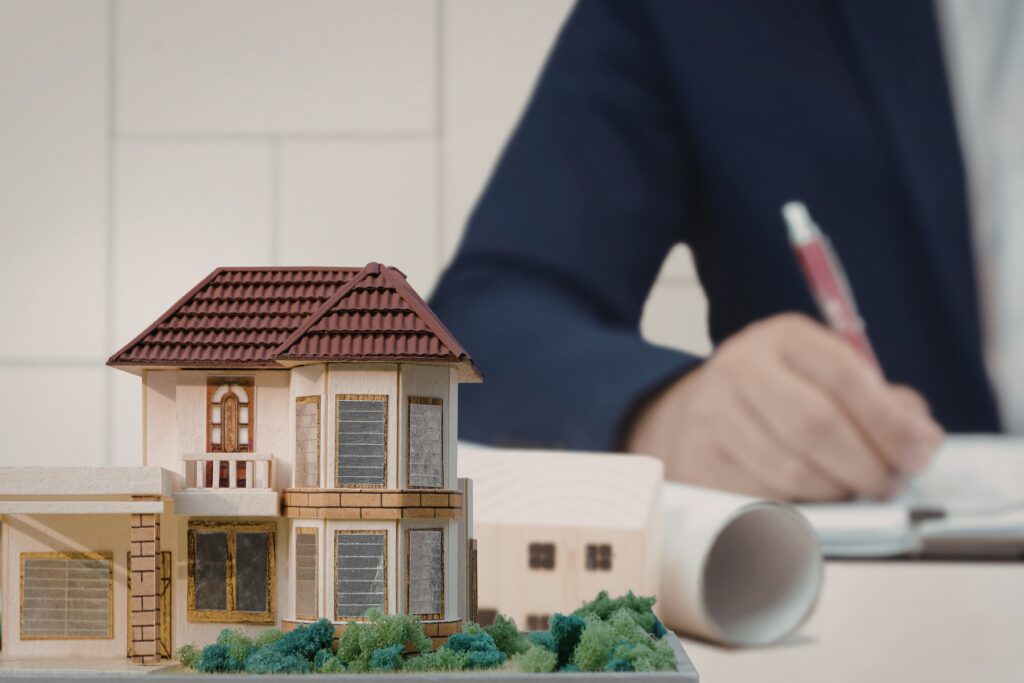
Why Property Standards Matter More Than Ever
Environmental and safety standards have become central considerations in modern property decisions. Buyers and tenants today are more informed and cautious, recognising that a property’s design, materials, and compliance measures directly affect health, comfort, and long-term costs. Rising energy prices, climate-related risks, and increased regulatory oversight have brought these issues to the forefront of property evaluation.
Unlike aesthetic features, environmental and safety standards influence daily living conditions and future resilience. Poor ventilation, inadequate fire safety systems, or weak structural planning can result in ongoing expenses and reduced quality of life. Conversely, well-designed properties support comfort, efficiency, and peace of mind.
As expectations continue to evolve, understanding what to look for helps buyers and tenants make informed choices that align with both personal needs and long-term property value.
Energy Efficiency and Sustainable Building Features
Energy efficiency is now a defining feature of modern properties. Improved insulation, double or triple glazing, and energy-efficient heating systems reduce consumption while maintaining indoor comfort. These features not only lower utility bills but also minimise environmental impact.
Sustainable building materials, such as low-emission paints and responsibly sourced timber, contribute to healthier indoor environments. Properties designed with sustainability in mind often include renewable energy options, such as solar panels or heat pumps, which support long-term cost stability.
These features are central to property safety and sustainability considerations, as they reflect how buildings respond to environmental pressures while supporting occupant wellbeing. Energy-efficient design is no longer a luxury but a practical expectation in contemporary property markets.
Fire Safety and Emergency Preparedness
Fire safety remains one of the most critical aspects of property standards. Modern buildings are expected to include clearly marked escape routes, fire-resistant materials, smoke detectors, and, where required, sprinkler systems. Compliance with updated regulations significantly reduces risk and improves emergency response outcomes.
Beyond installed systems, property layout plays an important role in fire safety. Adequate spacing, clear access points, and proper maintenance contribute to safer environments. Buyers and tenants should review fire safety certifications and understand evacuation procedures before committing to a property.
Within property safety and sustainability considerations, fire preparedness is foundational. It directly affects occupant safety and reflects how well a property meets current regulatory expectations.
Ventilation, Air Quality, and Indoor Health
Indoor air quality has gained increased attention as people spend more time indoors. Proper ventilation systems reduce moisture build-up, minimise mould risk, and improve overall comfort. Modern properties often incorporate mechanical ventilation with heat recovery systems to maintain fresh air without sacrificing energy efficiency.
Poor air circulation can exacerbate respiratory issues and contribute to long-term health concerns. Buyers and tenants should assess window placement, airflow design, and the presence of ventilation systems when evaluating properties.
For readers interested in practical reading on modern living environments, indoor air quality illustrates how design decisions directly influence daily wellbeing. Healthy living spaces extend beyond surface features to include unseen systems that support long-term comfort.
Structural Safety and Climate Resilience
Structural integrity and resilience to environmental stressors are increasingly important in property assessment. Flood risk management, seismic reinforcement, and weather-resistant materials are essential considerations in areas prone to climate-related events.
Modern properties are often designed to withstand extreme weather conditions through improved drainage systems, reinforced foundations, and durable exterior materials. Buyers and tenants should review risk assessments and understand how properties are protected against environmental hazards.
This focus aligns with property safety and sustainability considerations, as resilience planning reduces future repair costs and ensures safer living conditions during adverse events.
Security Systems and Personal Safety Measures
Security features contribute significantly to occupant confidence and comfort. Modern properties frequently include secure entry systems, surveillance cameras, adequate lighting, and controlled access points. These measures help deter crime and support safer communities.
Personal safety extends beyond technology to include thoughtful design. Clear sightlines, well-lit communal areas, and maintained surroundings contribute to overall security. Buyers and tenants should consider both physical systems and environmental design when evaluating safety.
Such considerations connect with practical reading on modern living environments, where safety is understood as a combination of infrastructure, planning, and ongoing management rather than isolated features.
Regulatory Compliance and Certification
Compliance with local building regulations and environmental standards is a key indicator of property quality. Certifications related to energy performance, safety compliance, and sustainability provide measurable benchmarks for evaluation.
Buyers and tenants benefit from reviewing documentation such as energy performance certificates and safety inspection records. These records demonstrate adherence to current standards and reduce uncertainty around hidden risks.
Regulatory compliance reflects not only legal responsibility but also commitment to occupant wellbeing and long-term sustainability.
Conclusion
Environmental and safety standards are no longer secondary considerations in property decisions. They shape daily comfort, influence long-term costs, and determine how well a property supports health and resilience. From energy efficiency and fire safety to air quality and structural design, these factors reflect a property’s readiness for modern living.
For buyers and tenants, understanding these elements supports informed decision-making and reduces future risk. As highlighted through practical reading on modern living environments, quality housing extends beyond appearance to include systems and standards that protect occupants over time. Properties that prioritise environmental responsibility and safety not only meet regulatory requirements but also offer greater stability and value in an increasingly complex living landscape.